
UCR vs. DOT Number: Understanding the Difference
Many new owner-operators confuse UCR with DOT registration. Learn why you need both and how they work together to keep you legal.
❓ Registry Confusion?
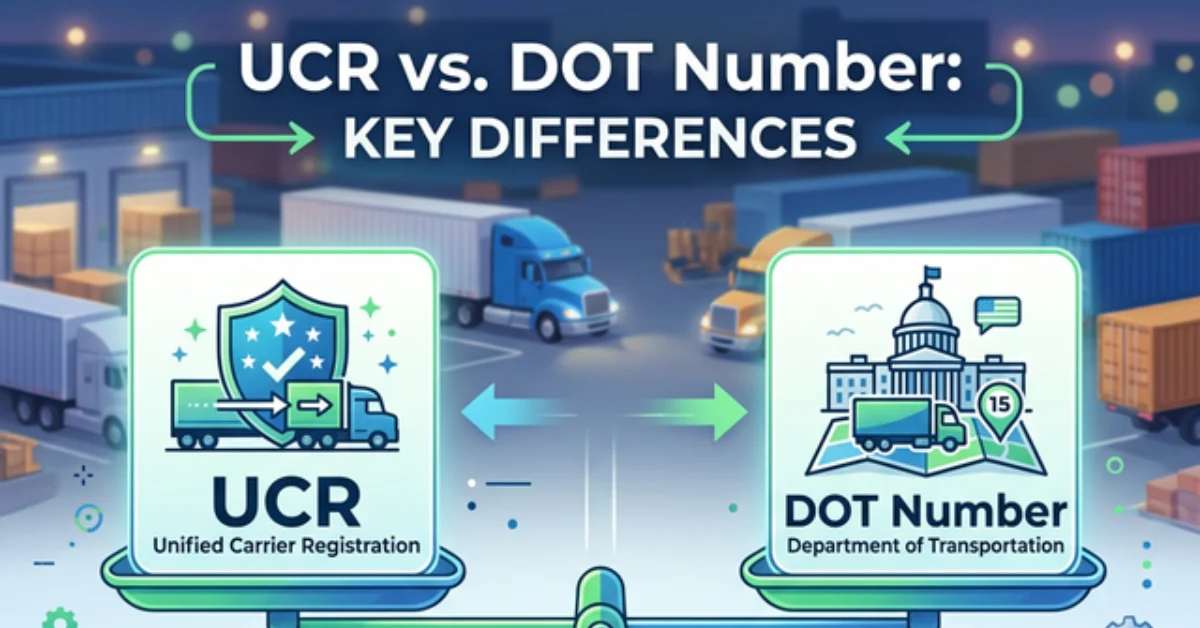
Many new carriers struggle to differentiate between UCR and DOT registrations. While they both relate to safety and compliance, they serve very different purposes.
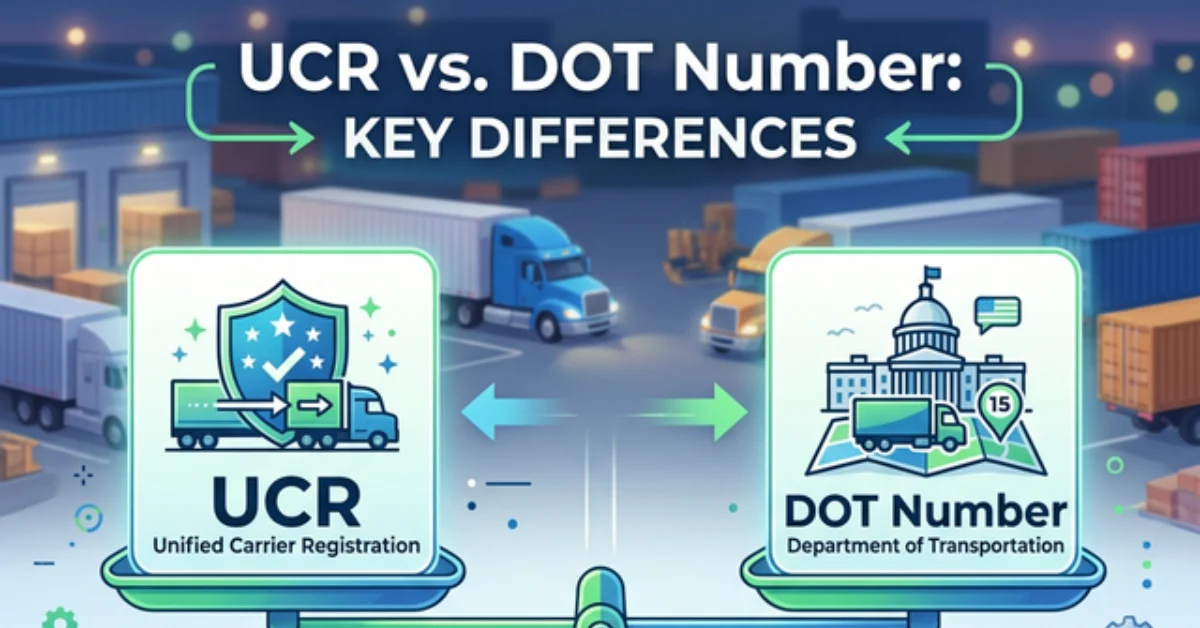
Navigating the world of federal trucking registrations can feel like alphabet soup. You have your USDOT number, your MC authority, and then there's the UCR (Unified Carrier Registration). It's common for owner-operators to ask: "If I already have a DOT number, why do I need UCR?" The answer lies in the fundamental difference between identification and state-level registration.
What is a USDOT Number?
A USDOT number is a unique identifier issued by the Federal Motor Carrier Safety Administration (FMCSA). It's essentially your trucking business's Social Security number. It serves as a way for the government to track your safety record, compliance reviews, and crash investigations. Every interstate carrier MUST have one, and it never expires, though it must be kept up-to-date via biennial updates (MCS-150).
What is UCR (Unified Carrier Registration)?
Unlike the USDOT number, which is about identification and safety tracking, the UCR is a registration and fee system. It was established to replace the old "Single State Registration System" (SSRS). UCR is an annual requirement, meaning you must register and pay a fee every single year to stay legal. The revenue generated goes directly to the states to fund their safety enforcement and IFTA/IRP offices.
Key Comparison Table
| Feature | USDOT Number | UCR Registration |
|---|---|---|
| Purpose | Safety & ID Tracking | State Funding & Legal Registry |
| Frequency | One-time (Biennial Update) | Every Year (Annual) |
| Cost | Free (Federal) | Varies by Fleet Size |
How They Work Together
You cannot have a valid UCR without a valid USDOT number. When you file for your UCR, the system automatically pulls your fleet data from your FMCSA record. If your MCS-150 is out of date, or if your DOT number is inactive, your UCR filing will be rejected. Keeping both current is the only way to ensure 100% interstate compliance.
Simplify Your Compliance
Confused by the requirements? Our team handles USDOT updates and UCR filings in one seamless process.
Article Topics
Written by QuickTruckTax Compliance Team
Our team of industry experts and tax professionals works tirelessly to bring you the most accurate and up-to-date information regarding IRS Form 2290 and trucking compliance for the 2026 tax year.

Form 2290 guides & tools
Guides, checklists & tools for Form 2290